

Navigation Friction Drives Customers Away From Banking Apps. Intent-Based Banking Addresses It
A customer opens a banking app knowing exactly what they want to do. Pay a bill, check a balance, move money to someone. What they don’t know, every time, is exactly where that particular feature sits inside the app. Which

Real-Time Payment Systems in the GCC: Is Your Platform Ready?
Instant payments are no longer an emerging capability in the GCC. They are fast becoming the default expectation. Qatar’s experience over the past year makes this shift especially clear, offering a glimpse into where regional payment infrastructure is heading and

It’s time to stop retrofitting generic corporate platforms for SME needs
For long, SME banking has been ‘bundled’ into ‘Corporate Banking’ or ‘Retail Banking’, thanks largely to the market perceiving SMEs as a lower-margin, higher-effort segment. The documentation burden is real, and the credit risk is harder to assess than it

How Cognitive Banking Helps Gulf Banks Deliver Personalised Wealth Experiences at Scale
Wealth management in the Gulf is growing faster than the infrastructure built to serve it. High net-worth and next-generation clients across Saudi Arabia, the UAE, and the wider region expect the same immediacy from their bank that they get everywhere
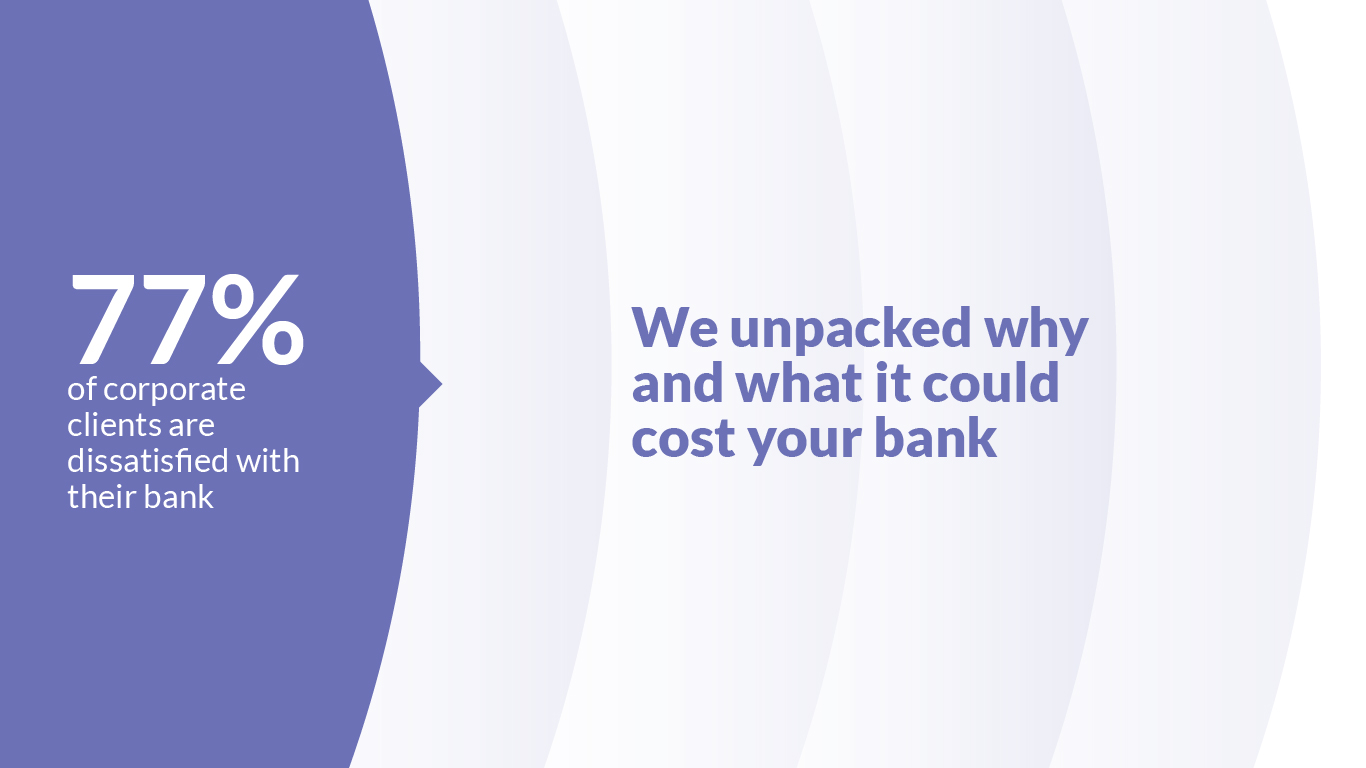
The Industry Built Corporate Banking for Compliance. The Client Wanted Experience.
There is a version of this story that is popular in the industry. Corporate banking, it goes, is complex. The controls, the approvals, the audit trails, the risk frameworks. They exist for good reason. The regulatory environment is demanding. The clients are sophisticated. The

Why Voice AI Is the Missing Layer in Digital Banking
Banks have spent the better part of two decades solving the access problem. Customers can open accounts from their phones, apply for loans without stepping into a branch, and move money across geographies in seconds. The infrastructure investment required to