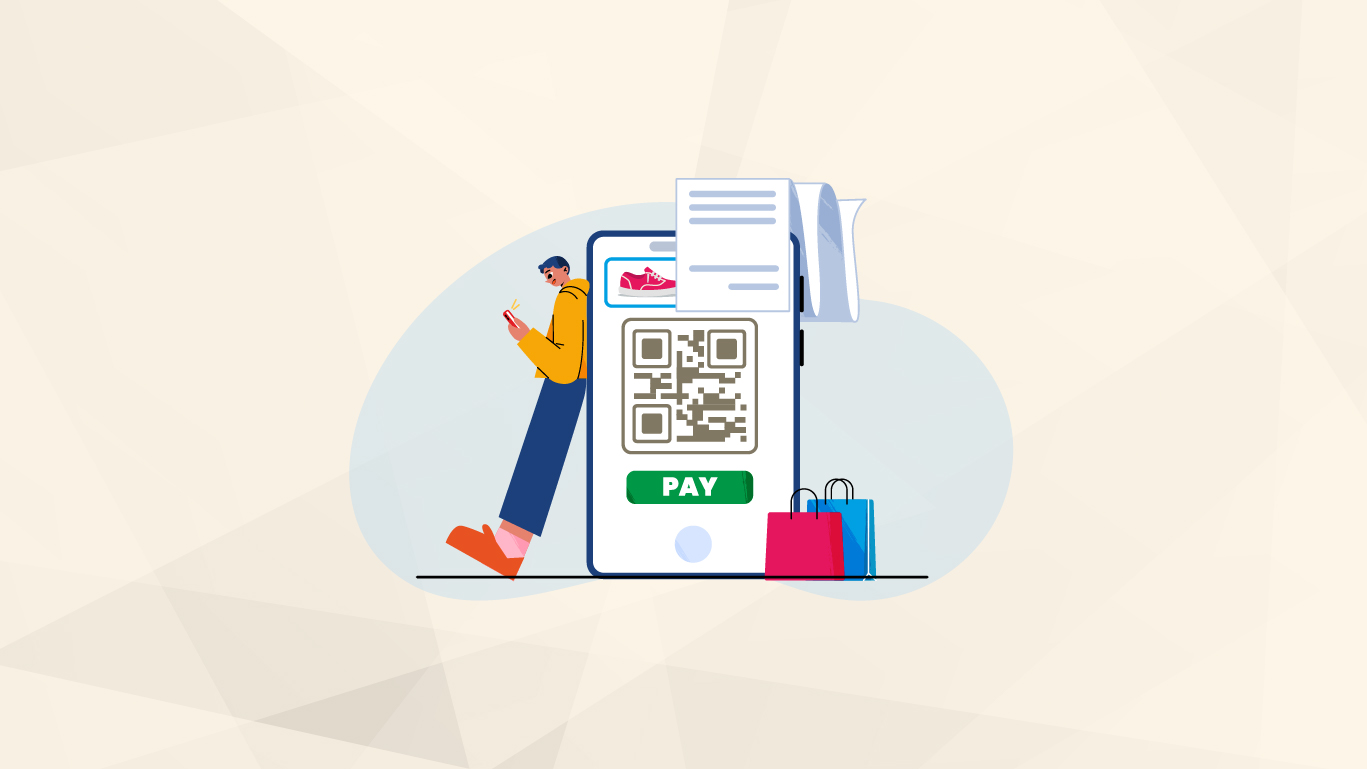
In the global shift towards a cashless society, Bangladesh is carving out its unique path, supported by a tech-savvy population and a fast-growing economy. With mobile financial services (MFS) transactions surging fourfold to over Tk 4,100 crore in the past five years, the adoption of digital payments is steadily gaining momentum. nnBacked by a proactive government and a banking system eager to innovate, the journey towards a cashless economy in Bangladesh is not just an opportunity for transformation but also a test of resilience against its unique challenges. nnThe Momentum Behind the Shift nnBangladesh’s journey towards a cashless economy has been catalysed by multiple factors. Mobile financial services (MFS) have become a cornerstone of financial inclusion. nnPlatforms like bKash and Nagad have revolutionised the way people transact, offering easy access to digital payments even in remote areas. For instance, bKash, with over 65 million users, processes millions of transactions daily, demonstrating the appetite for cashless solutions. nnAdditionally, the government has rolled out policies to encourage digital adoption. Initiatives such as the Digital Bangladesh Vision 2021 aim to create an ecosystem where cashless transactions thrive. From digitising utility bill payments to introducing QR-based payment systems in retail, the groundwork is being laid for a transformative financial landscape. nnPlenty of Opportunities Ahead nnBangladesh stands on the brink of transformative benefits as it moves towards a cashless society. n
- n
- Financial Inclusion:
n
nDigital banking solutions are reshaping access to financial services, particularly for the unbanked. With over 190 million mobile phone users, mobile wallets and banking apps are driving accessibility and empowering underserved populations. n
- n
- Economic Growth and Efficiency:
n
nTransitioning away from cash reduces the inefficiencies tied to physical currency management. Transparent digital payment trails not only enhance tax compliance but also contribute to building a more robust and accountable financial ecosystem. nnAddressing the Roadblocks nnWhile the opportunities are vast, significant hurdles must be addressed for Bangladesh to fully embrace a cashless economy. n
- n
- Infrastructure and Accessibility Gaps:
n
nMany areas in Bangladesh still struggle with outdated banking systems and unreliable internet connectivity. Bridging this digital divide is essential to ensuring that rural populations are not left behind. n
- n
- Trust and Regulatory Framework:
n
nConcerns over data privacy and cybersecurity continue to discourage some users from adopting digital payment methods. Additionally, the regulatory framework needs to be strengthened to address issues like interoperability and anti-money laundering. nnAddressing these challenges is key to unlocking the full potential of a cashless society in Bangladesh. nnReal-World Example: The BRAC Bank Case nnLet’s take a closer look at an example of how digital banking is evolving in Bangladesh – the partnership between Clayfin and BRAC Bank. nnFocused on digitising its offerings across retail, SME, and wholesale banking, the bank sought to enhance its infrastructure to meet rising customer expectations. Clayfin worked with BRAC Bank to design and implement a cutting-edge digital platform. nnThis collaboration yielded impressive results:
These outcomes illustrate the transformative potential of embracing digital banking solutions tailored to market needs. nnBuilding Towards a Connected Financial Future nnBangladesh’s transition to a cashless economy is a story of resilience, ambition, and innovation. While challenges exist, the progress made by platforms like bKash and initiatives such as BRAC Bank’s digital transformation indicate a promising trajectory. nnAt Clayfin, we understand the nuances of this market. Our commitment to crafting omnichannel, secure, and user-friendly digital banking solutions is helping institutions like BRAC Bank redefine customer experiences. nnBangladesh’s journey is far from over, but every digital transaction brings the vision of a cashless society closer to reality. The potential is immense, and the world is watching as this nation paves the way for a more connected financial future. nn